Premier Verona Fence Installation Professionals
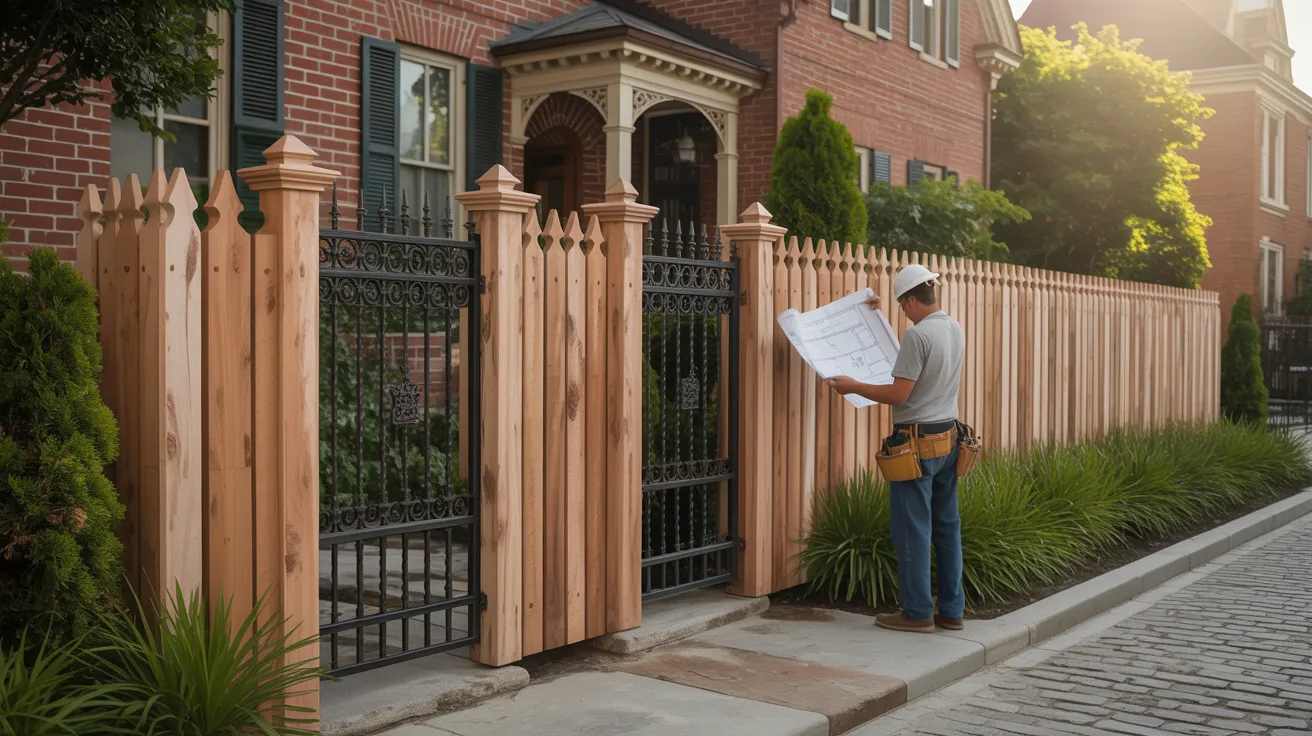
Secure a up-to-code fence in Verona installed to last by certified, insured experts who handle all necessary paperwork, surveys, utility locates, and approval processes. You'll benefit from proper property line setbacks, visibility clearances, and easement compliance. We construct below frost depth with quality foundations, rust-resistant hardware, and long-lasting Verona Fence Installation materials: premium cedar, pressure-treated lumber, vinyl, aluminum, or coated steel. Receive exact gate installations, complete inspections, and warranty documentation, plus maintenance programs and repair protocols. Proceed for details on materials, pricing, procedures, and contractor selection.
Critical Insights
- Verify Verona zoning requirements for setbacks, heights, and sight triangles, then obtain proper documentation; coordinate 811 utility identification and mandatory inspections prior to beginning.
- Opt for long-lasting components suited for regional weather conditions: pressure-treated wood, cedar, vinyl, or powder-coated aluminum/steel with rust-resistant and galvanized hardware.
- Guarantee professional installation: posts installed below frost depth with belled bases, proper alignment, evenly spaced panels, and code-compliant gate hardware installation.
- Evaluate contractors by verifying their licensing credentials, insurance documentation from carriers, history of work in Verona, detailed written scope, and equivalent estimates for proper evaluation.
- Provide comprehensive maintenance and repair services: protect and restore wood, address metal deterioration, correct post positioning, preserve sight distances, and fulfill safety regulations for pool barriers and visibility.
Understanding the Value of Professional Fence Installation in Verona
Although DIY can appear attractive, expert fence installation in Verona guarantees your fencing meets local regulations, withstands seasonal changes, and suits diverse soil conditions. You'll obtain precise property boundary verification, proper setback compliance, and properly processed permits. Professionals install posts deeper than frost depth, specify appropriate drainage, and properly secure panels to prevent ground movement. They pick corrosion-resistant materials, confirm utility positions, and adjust panel elevations for aesthetics and safety. Installation teams also recognize preservation guidelines, coordinating proper authorizations to respect local context. They manage project stages to minimize interference, keep compliance records, and offer guarantee protection following manufacturer guidelines. The outcome: a durable, properly permitted fence that maintains effectiveness year-round, preserves asset value, and avoids expensive fixes or code violations.
Choosing the Perfect Material Choices for Climate and Design Preferences
After addressing permits and placement, the next important choice is choosing materials-since Verona's winter temperature fluctuations, lake-effect moisture, and varying soil types make material selection critical. Focus on resistance to deterioration, rust prevention, and solid anchoring. Treated pine is cost-effective, but ensure proper sealing and install protected fasteners. Natural cedar resists decay and keeps its shape. For reduced upkeep needs, select modern composites with UV protection, concealed mounting hardware, and reinforced railings.
Aluminum delivers sleek lines and rust-resistant durability; opt for powder-coated, AAMA-compliant finishes. Steel is stronger; select galvanized components, then powder-coat for durability. Vinyl performs effectively when utilizing impact-rated profiles and UV-stabilized resin. For eco-friendly solutions, environmentally friendly bamboo panels and posts supported by steel cores create a harmonious balance between style and strength. Be sure to incorporate drainage, twist or deep-set posts, and structural reinforcement.
Navigating Verona's Building Codes, Permits, and Property Lines
Before beginning your fence project, be sure to check your design aligns with Verona's building codes, zoning laws, and property boundaries. Be sure to verify zoning setbacks for all yard boundaries, remembering that corner lots typically have additional sight-triangle restrictions. Make sure to check height restrictions, material restrictions, and pool barrier requirements. Should you need a variance, request a variance approval prior to purchasing supplies.
Pull the required building permit and, where applicable, historic or HOA approvals. Request a professional survey to identify property lines and identify utilities and recorded easements. Maintain all structures away from easements to eliminate removal orders and easement disputes. Inform neighbors prior to beginning work and get in writing agreements on shared boundaries. Call 811 to mark utilities. Maintain required clearance from sidewalks and hydrants. Keep permits at the location and schedule inspections as listed.
Comprehensive Guide to Installing Your Fence
Once permits are secured and utilities are marked, you'll stage materials, check the layout against the survey, and create a taut reference line along the fence run. Begin with corner installation, using laser squaring to confirm 90-degree accuracy. Space posts per code and manufacturer specs. Drill each post hole to required depth below frost line, flare the bottom for uplift resistance, and clear loose soil. Install posts using concrete, angle the concrete top for drainage, and position to the reference line while plumb holds. Allow proper cure. Attach rails with corrosion-resistant fasteners, maintaining consistent reveals. Install panels or pickets with uniform gaps, honoring height limits and neighbor-facing rules. Mount gates with rated copyrights, position latches at compliant heights, and finish with caps and a clean site.
Common Fence Repairs That Extend Lifespan
Once completing a proper install, a fence needs focused care to stay regulation-compliant and strong. Commence with regular examinations: check pickets, rails, and hardware for weakness or rot. Secure fasteners, replace split boards, and adjust post orientation to maintain panels level and gates properly positioned. Handle soil displacement by resetting posts in concrete, ensuring adequate depth and drainage. For metal parts, use rust protection: remove oxidation, prepare bare steel, and finish with a anti-corrosion coating. Lubricate copyrights and latches to ensure efficient, safe operation. Seal wood yearly with a premium preservative, and maintain vegetation cut to stop moisture retention. Adjust low spots to divert runoff away from footings. Address minor damage promptly; minor, accurate repairs extend service life and maintain structural integrity.
Cost Factors: Understanding Materials, Labor, and Site Conditions
While each project is different, fence pricing in Verona revolves around three key factors: materials, labor, and site conditions. The selection of materials sets the baseline cost: aluminum, steel, vinyl, and pressure-treated wood each come with different costs, durability, and code requirements. Enhancements such as steel posts, privacy panels, and eco friendly coatings enhance value while raising prices. Labor costs reflect workforce size, skill level, and adherence to local permitting, utility locates, and inspection requirements.
Project estimates often vary based on site conditions. Obstructions, steep terrain, rocky ground, tree root systems, drainage issues, and limited access affect labor hours, material quantities, and machinery needs. Corner installations, gate placement, and transition points require additional fabrication work. Minimize costs by using accurate plans, established property markers, and expedited authorizations. Utilize seasonal planning to book during slower periods, lock in prices, and ensure reliable scheduling.
Key Maintenance Guidelines for All-Season Fence Care
Maintain control over damage by arranging quarterly examinations and fixing small issues before they worsen. Adjust fasteners, examine post plumb, and check gate hardware alignment. Check for deterioration, metal damage, loose rails, and damaged pickets. Record findings and correct problems as per manufacturer specifications.
Conduct periodic cleaning to clear away debris, salt, and pollen. For wood, carefully clean, allow to dry, then treat with sealant or stain as necessary; preserve 2-inch ground clearance to avoid wicking. For vinyl, use mild detergent; stay away from abrasive pads. For metal, clear away oxidation, apply primer to bare spots, and repair with compatible coatings. Oil copyrights and latches with a weather-rated product.
Plan yearly check-ups to check foundation stability, drainage away from posts, and vegetation-free zones. Maintain a unobstructed fence line to reduce moisture and pest pressure.
Elevating Security and Curb Appeal Through Intelligent Planning
You can boost security and curb appeal by choosing strategic gate placement that controls access and sightlines. Coordinate materials and colors so the fence, gate, and home exterior read as a unified system. The perfect balance of form and function creates a fence that's both beautiful and dependable.
Smart Gate Location Planning
While a fence marks the property line, a gate determines how people and vehicles access your property-so positioning matters. Start with strategic positioning: align the driveway gate with unobstructed views to streets, sidewalks, and on-site circulation. Situate it to minimize turning conflicts, and check setbacks, swing arcs, and clearance per Verona code. Isolate pedestrian access from vehicle flow to reduce risk and improve wayfinding. Locate walk gates near primary entries, service ways, or postal routes, and verify lighting and address visibility.
Design emergency escape routes with components allowing quick-release doors and fast exit from inside, while preserving perimeter security. Avoid dark corners and surface dips that could lead to standing water or ice buildup. Check utility positioning, drainage systems, and snow removal zones before determining mounting locations and operational components.
Material and Color Harmony
With gate locations set for safe flow, the next consideration is about selecting fence materials and design elements-decisions that affect security, maintenance, and neighborhood fit in Verona. Pick materials that meet wind, snow load, and pool-safety standards, then verify height and visibility meet local regulations. For longevity, consider galvanized steel or aluminum; for screening, opt for cedar with sealed fasteners or composite material. Coordinate material and finish with the house: implement color shifts that flow from building to landscape, and incorporate texture matching-smooth metal with textured stone, matte composite beside brick-to establish visual harmony. Use security hardware and lockable latches in coordinated finishes. Select factory coatings for durability, and keep open visibility at corners for secure driveways and walkways.
Selecting a Qualified, Insured, and Local Fencing Company
Though design and materials are crucial, start by vetting credentials to safeguard your property and project. Verify state licensing through Licensed verification portals and ensure the business details and status match the proposal. Request certificates of insurance for general liability and workers' compensation; ask for direct copyright verification. Verify bonding status when mandated by Verona or county code.
Start with proximity. A nearby professional understands Verona municipal requirements, setback rules, and underground utility protocols, which helps avoid delays. Ask for recent local testimonials and drive by completed fences to assess proper alignment, foundation stability, and material durability.
Demand a written scope outlining: materials, post spacing, footing requirements, gate hardware, building permit coordination, utility identification, project timeline, and warranty coverage. Compare all bids carefully to ensure fair evaluation and insist on documented modifications before any work begins.
Common Questions and Answers
How Much Time Will Fence Construction Affect My Yard Access and Pet Schedule?
Expect disruption for 2-5 days, determined by material, length, and terrain. You won't have complete yard access during post setting and panel mounting, but will recover limited access via temporary walkways. Schedule pet walks and bathroom breaks, and employ pet kennels or indoor containment when gates are detached or concrete is curing. Remember to mark utilities, fasten gates every evening, and plan crew arrival times. You can decrease downtime by staging materials, removing obstacles, and verifying weather-dependent cure times.
Can Fences Be Installed in Winter Without Quality Compromises in Verona?
Indeed, it's possible to install fences in Verona's winter without sacrificing quality. Like builders in Nordic sagas, you modify your approach: assess ground frost depth, use helical or driven posts where digging fails, and schedule pours during warmer windows. Opt for cold curing concrete or additives, ensure correct slump, and safeguard footings with insulated blankets. You'll verify post plumbness as materials contract, pre-drill brittle lumber, and follow manufacturer temperature specs to keep warranties and performance intact.
What's the Difference Between Warranties for Storm and Snow Damage Versus Workmanship Defects?
Storm and snow damage typically falls under insurance from your homeowner's policy or manufacturer guarantees, while workmanship issues are covered by contractor guarantees. You'll be provided with product guarantees that exclude misuse, ground movement, or poor maintenance. Contractor warranties typically protect against post installation, alignment, and securing issues for a specific period, but not weather-related incidents. Be sure to verify filing procedures, proof of damage needs, and transferability terms. Review exclusions regarding wind force limits, frost heaving, and natural events prior to signing.
Do Neighbors Need to Be Notified or Sign off Before Installation Begins?
Generally speaking, neighbors don't need to sign off, but you need to adhere to property lines and local permit requirements. Consider it like maintaining shared software: a single mistake impacts all parties. Confirm your property lines, indicate boundary distances, and obtain necessary permits. Notify neighbors out of consideration, especially if you'll need yard access. Document everything with pictures, and post approvals where visible to ensure compliance.
What Payment and Financing Options are Available for Major Fence Installations?
Indeed - most major fence installations feature flexible payment options to manage payments. Generally, you'll make a small booking deposit, a progress payment at material procurement, and remaining amount upon work finalization after review. Document payment terms and schedule in writing. Check for payment processing fees, ACH discounts, and any financing options with APR and term disclosures. Verify that staged payments correspond to delivered work and retainage covers punch-list items before completion approval.
Final Overview
In Verona, when it comes to fencing, you need a barrier that delivers beauty as well as durability. You must carefully consider local building permits with proper setback requirements, swift installation with quality materials, and starting expenses against enduring worth. Avoid uncertainty by meeting requirements: proper foundation work, corrosion-proof components, and exact border measurements. Select intelligent design features for safety and confidentiality; maintain routine care for lasting durability. Above all, partner with a licensed and insured local contractor - because outstanding quality begin with flawless implementation.